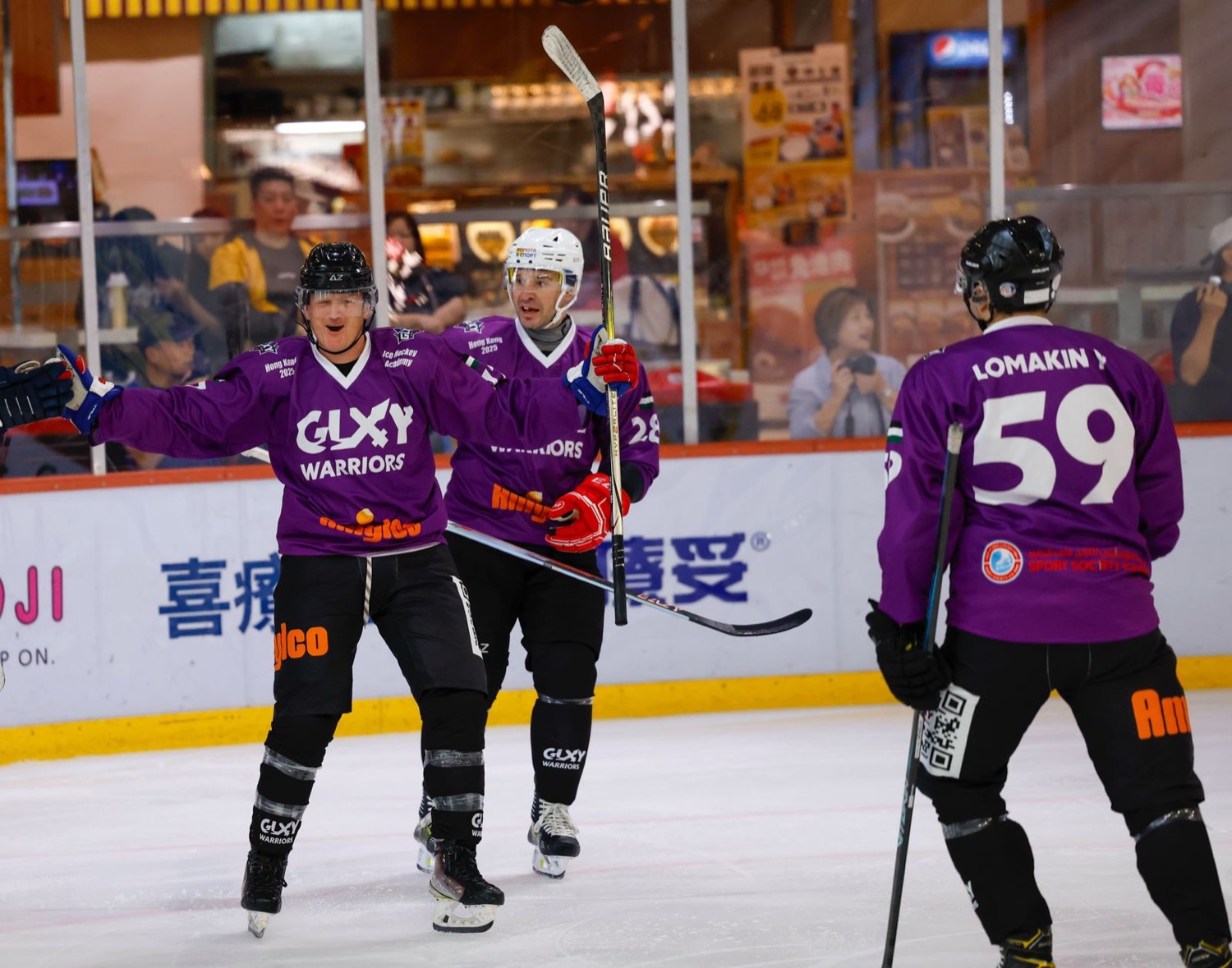
Every family in Dubai eventually has the same conversation: football, tennis, swimming, and now, more and more, ice hockey. All four sit on the shortlist for good reason. All four are excellent for a child. The honest question is not which one is "best," because that question has no answer. The useful question is what each one actually builds, and which one fits your child and your week. This guide compares ice hockey against the three sports every Dubai parent already knows, on the things that matter: skills developed, time per week, starting age, what you need to buy, and how safe it really is.
Nothing here is written to talk another sport down. Football, tennis and swimming are all genuinely good for a child. Ice hockey simply does a few things none of the other three do on their own, and it is worth knowing exactly what those are before you pick.
What each sport actually builds
Strip away the marketing and every sport teaches a specific set of skills. Here is a fair comparison of the four.
Football
Aerobic endurance, quick footwork and split-second decisions inside a large group. Highly social, needs almost no equipment, and is easy to find anywhere in the city.
Tennis
Sharp hand-eye coordination, precise footwork and the mental discipline of an individual sport where every point is entirely on you. Builds focus and self-reliance early.
Swimming
Whole-body strength, cardiovascular fitness and a life skill every family in a coastal city needs. Low impact on growing joints, often the first sport a young child tries.
Ice Hockey
Balance on a moving surface (skating) plus a fast, positional team game on top of it. Reading play at speed, communicating with teammates, and the discipline of short shifts build coordination and game sense together.
That combination, balance under you and a team game moving fast around you, is the part that is genuinely rare. A tennis player reacts to one opponent; a hockey player reads five moving teammates and five moving opponents while also controlling their own edges on the ice. It is a lot to ask of a beginner, which is exactly why coaches build it up in stages rather than all at once.
How many hours a week, realistically
Time commitment is where a lot of families quietly rule sports in or out, so let us be concrete. Football training typically runs a couple of evenings a week plus a weekend match. Tennis is usually one or two private or small-group lessons weekly. Swimming squads often meet two to three times a week once a child is progressing. Ice hockey at Galaxy starts the same way every other sport does here: one 60-minute session a week is a realistic and complete starting commitment, in groups of up to 18 children. Families add a second session only once a child is clearly hooked, not before.
None of these sports demands a huge weekly block to start. The idea that hockey requires more hours than football or swimming is not true at the beginner stage. What differs is the season: hockey in Dubai runs indoors, year-round, with no weather cancellations.
What age to start
Swimming is often the earliest sport a Dubai child tries, sometimes as a toddler. Football and tennis commonly welcome children from around four or five. Ice hockey follows the same pattern: kids can start from age 3, and the first session is built as a learn-to-skate lesson with a stick added for fun, not a full hockey practice. There is no sport on this list where "too young" is a real worry once a child can walk confidently and follow a simple instruction.
What to buy on day one
This is where the sports genuinely differ, and it is worth knowing before you commit to any of them. Football needs boots and shin guards. Tennis needs a racket. Swimming needs a swimsuit and goggles. All small purchases, but purchases nonetheless.
Ice hockey needs nothing on day one. Rental skates and full protective gear are provided, and there is no experience required. The first trial is free for one child, all September. It is, if anything, the cheapest sport on this list to simply test.
The safety question everyone asks
Hockey looks rough on television, and it is the one question every parent brings up before anything else. Here is the honest answer: full protective equipment, helmet, gloves, pads, covers a player from head to toe at every age, and body contact is not introduced until roughly 12 to 14 years old, once a player has the skating and awareness to handle it. Below that age, hockey is skating, puck control and small-area games, closer in physical risk to football or basketball than most parents expect. Every sport carries some physical risk, tennis elbow and swimmer's shoulder are real too, and hockey's reputation is worse than its actual injury profile for young beginners.
Why Dubai makes ice hockey easier than it sounds
Football and tennis outdoors both fight the same enemy for half the year: heat. Swimming and hockey share an answer to it, being indoors, but hockey adds a controlled cold that outdoor pools cannot offer. Training happens on real indoor ice at Sport Society Mall, Mirdif, about 15 minutes from Creek Harbour, Downtown and Sobha Hartland, which means the same session runs in December and in August with zero disruption. Galaxy also trains 300+ children from 38 nations under professional coaches, so a new family, whatever their background with the sport, joins a genuinely international group from day one, not a small local club that only makes sense for one nationality.
How to actually decide
Do not pick a "best" sport. Try more than one. Book a trial for each candidate on your shortlist, watch which one your child asks to go back to without being prompted, and let that answer the question instead of guessing from a list like this one. If ice hockey is on that shortlist, the kids academy page covers exactly how the age groups work, and booking a free first session takes a couple of minutes on WhatsApp.
Common questions, answered
Is ice hockey harder to start than football, tennis or swimming?
Not for a beginner. No prior experience is needed for any of the four, and at Galaxy full gear is provided while coaches start every child from zero. The first trial is free for one child, all September, so a family can test hockey exactly the way they would test a football or swimming trial class.
Does ice hockey involve contact for young kids?
No. Younger groups play a non-contact game built around skating, puck control and small-area games. Full protective equipment covers a player from head to toe at every age, and body contact is introduced only from around 12 to 14, once players have the skating and awareness to handle it safely.
What does my child need to buy to try ice hockey in Dubai?
Nothing. Rental skates and full protective gear are provided on site, and the first trial session is free for one child, all September.
How many hours a week does ice hockey take compared to other sports?
A beginner can start with one 60-minute session a week, the same rhythm most Dubai families already use for football, tennis or swimming lessons. Groups run up to 18 children, ages from 3, so a single weekly session is a realistic starting commitment before adding more.
Try ice hockey, free, all September
No gear, no experience, no commitment. One hour on the ice with a coach is the fastest way to find out if hockey is the one your child asks to go back to.
Book a free trial on WhatsApp →